


Extend the Life of Existing Glass
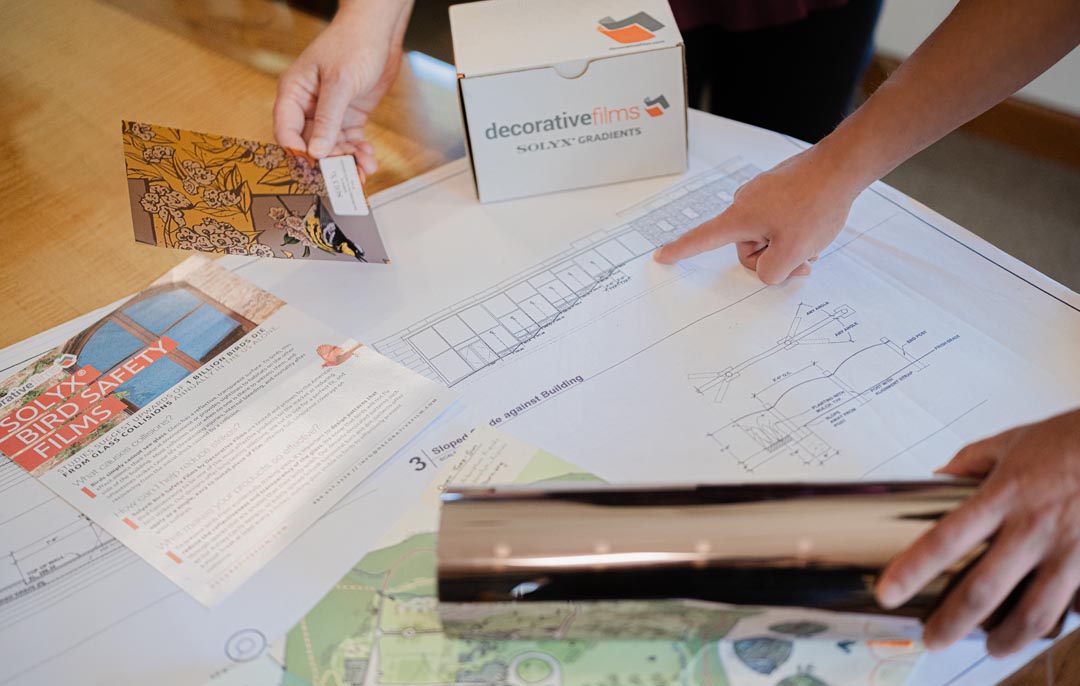
Retrofitting decorative window film onto existing glazing can improve privacy, branding, wayfinding, and aesthetics without the material waste, expense, and disruption associated with replacing glass.
From PVC-free decorative films to Intertek Clean Air Gold Certified products, Decorative Films is committed to helping architects, designers, and building owners create healthier, more sustainable spaces.
We are committed to providing high-performance architectural window films that support more sustainable building design. By investing in PVC-free materials, solvent-free coating technology, and cleaner manufacturing processes, we continue to reduce environmental impact while delivering the quality, durability, and design flexibility our customers expect.
UltraGreen combines two innovations exclusive to Decorative Films:
✓ PVC-free polyester base materials
✓ Solvent-free adhesive coating technology
Together, these technologies reduce the environmental impact of decorative window film manufacturing while maintaining the premium appearance and durability architects expect.
Decorative window film gives architects and designers a practical way to improve existing spaces without replacing functional glazing systems. By extending the life of existing glass, offering low-emitting materials, and supporting healthier indoor environments, Decorative Films products may help support sustainable building strategies and green building certification goals.
Retrofitting decorative window film onto existing glazing can improve privacy, branding, wayfinding, and aesthetics without the material waste, expense, and disruption associated with replacing glass.
The SOLYX® decorative window film collection is Intertek Clean Air Gold Certified for low chemical emissions, helping support healthier indoor environments in occupied spaces.
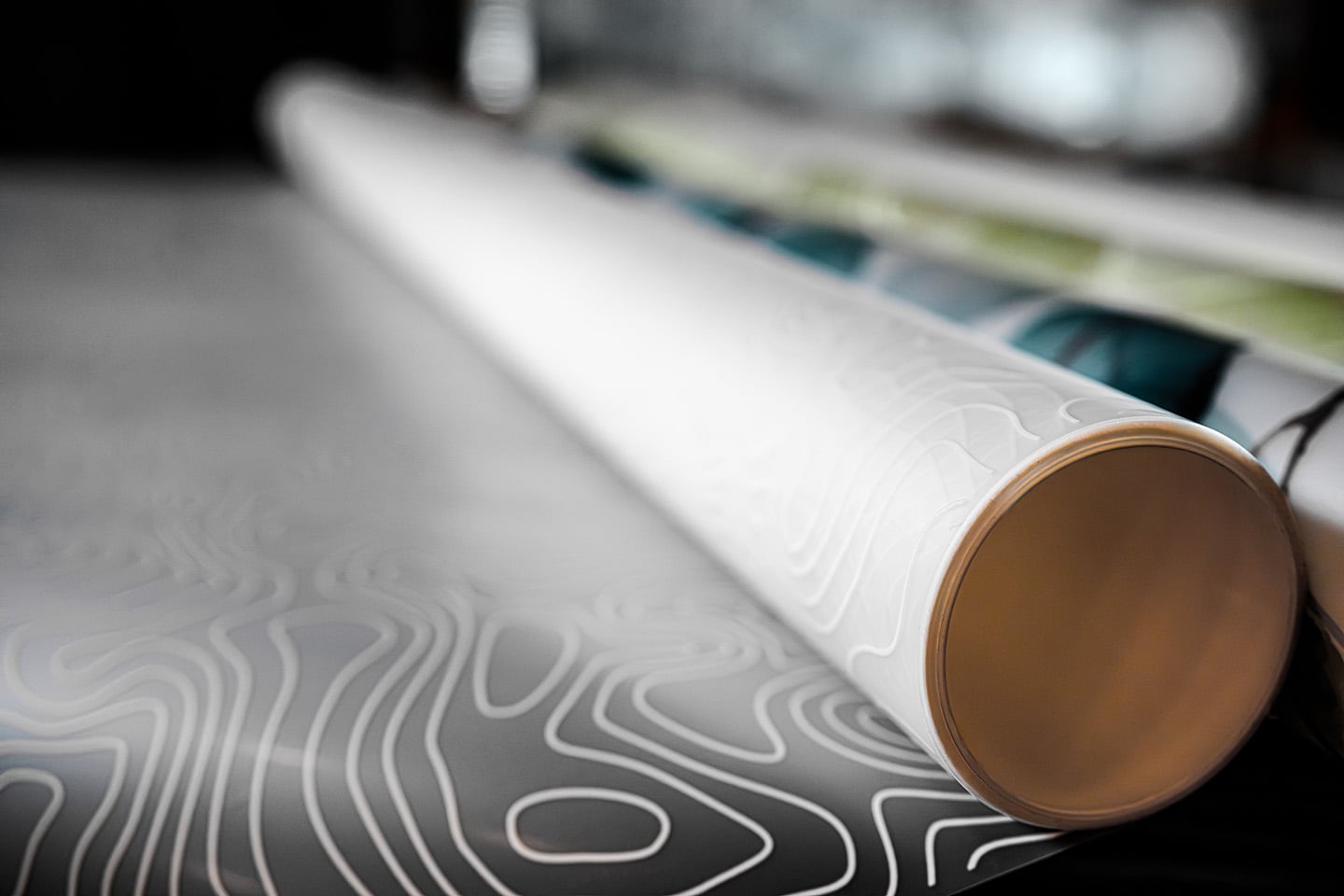
Our UltraGreen® collection pairs PVC-free polyester base materials with a solvent-free adhesive coating process. This material and coating combination is exclusively available on products within the UltraGreen line.
Applying film to existing glass helps preserve installed building materials, reduce demolition debris, and minimize the environmental impacts associated with manufacturing, transporting, and installing replacement glazing.
Decorative window film may support a project's LEED and sustainability goals depending on the selected product, application, project requirements, and applicable rating system. Potential benefits may include the use of low-emitting materials, the preservation of existing glazing, improved daylight management, and increased occupant comfort.
Because LEED certification evaluates the performance of an entire project rather than awarding certification to an individual product, project teams should review each film's technical documentation in the context of the applicable LEED rating system and credit requirements.
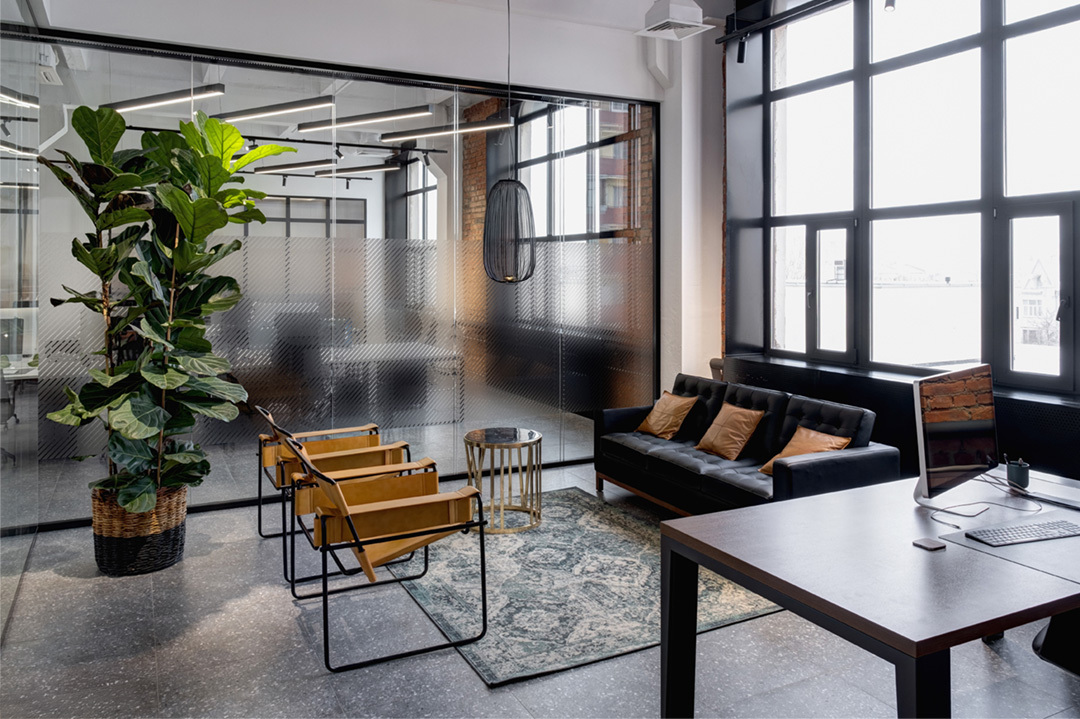
Decorative window film offers a resource-efficient alternative to replacing existing glazing. Architects and building owners can add privacy, decorative finishes, branding, custom graphics, wayfinding, or glare reduction while retaining glass that is already installed and performing as intended.
This retrofit approach can reduce material consumption, minimize construction waste, shorten installation timelines, and limit disruption within occupied buildings.
Replacing glass may require the removal and disposal of functional building materials, along with the resources needed to manufacture, transport, and install a new glazing system. Decorative window film provides a way to update the privacy, appearance, and functionality of existing glass while extending its useful life.
Important: Decorative Films products do not automatically earn LEED credits or guarantee project certification. Potential contribution depends on the selected product, project application, documentation, and requirements of the applicable LEED rating system.
Learn more about PVC-free materials, low-emission window films, sustainable manufacturing, LEED projects, and the environmental benefits of retrofitting existing glass.
Sustainable window film is designed to reduce environmental impact through lower-impact materials, cleaner manufacturing processes, low-emission products that support healthier indoor environments, and retrofit applications that extend the useful life of existing glass. Decorative Films continually invests in more sustainable manufacturing practices, including PVC-free product options and solvent-free coating technology.
PVC-free window films are manufactured without polyvinyl chloride. Instead, they use materials such as durable polyester to provide optical clarity, dimensional stability, and long-term performance. They offer an alternative for projects seeking decorative films made with lower-impact base materials.
Our UltraGreen® collection was developed to give architects, designers, dealers, and building owners access to decorative window films made with PVC-free polyester materials and a solvent-free adhesive coating process. These products deliver decorative privacy and performance while supporting more sustainable material choices.
Decorative Films is currently the only manufacturer in the United States utilizing a solvent-free adhesive coating process for decorative privacy window films. This technology pairs PVC-free polyester base materials with a solvent-free coating process that eliminates VOC waste during adhesive application while delivering the durability and performance required for architectural applications.
This combination of PVC-free polyester and solvent-free coating technology is available exclusively on products within the UltraGreen® collection .
Yes. The SOLYX® decorative window film collection has earned Intertek Clean Air Gold Certification for low chemical emissions. This independent certification helps support healthier indoor environments in offices, schools, healthcare facilities, hospitality spaces, and other occupied buildings.
Intertek Clean Air Gold Certification verifies that a product has been independently tested for chemical emissions and meets stringent indoor air quality requirements. It provides architects, designers, and building professionals with third-party documentation when selecting low-emitting materials for occupied interior spaces.
Decorative window film may support a project's sustainability and LEED goals depending on the selected product, application, project requirements, and applicable rating system. Potential benefits can include the use of low-emitting materials, improved daylight management, increased occupant comfort, and the reuse of existing glazing through retrofit rather than replacement.
In many retrofit applications, installing film on existing glass can be a more resource-efficient option than removing and replacing the glazing system. Window film can improve privacy, appearance, branding, glare control, or other performance characteristics while reducing demolition waste, material use, transportation, and installation disruption.
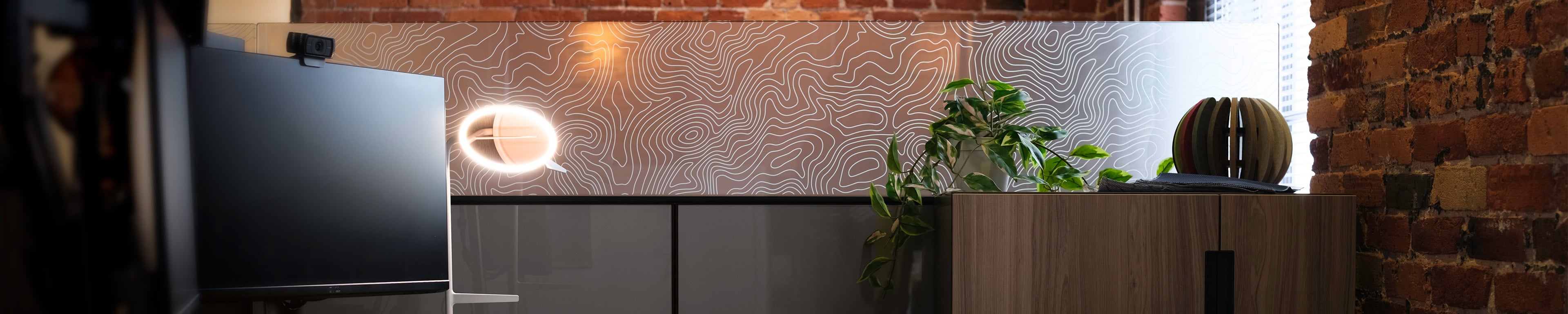
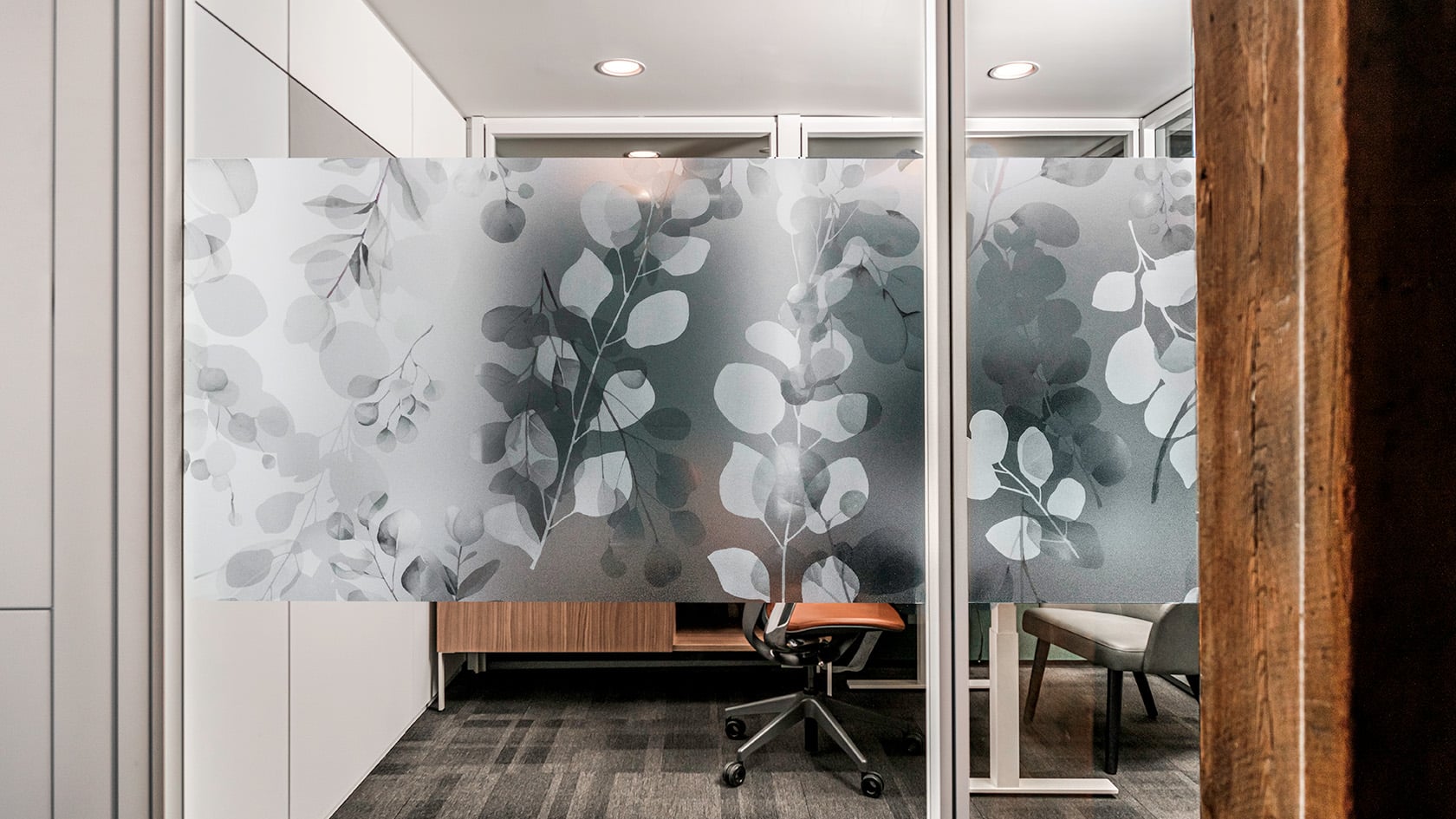
Decorative window film allows architects and building owners to adapt existing glass rather than replace it. Film can add privacy, patterns, gradients, branding, wayfinding, glare reduction, and decorative finishes while preserving daylight and extending the usefulness of existing architectural materials.
Retrofitting helps preserve materials that are already installed in a building. Applying film to existing glass can reduce demolition debris and avoid some of the environmental impacts associated with producing, transporting, and installing replacement glazing. It can also shorten project timelines and minimize disruption to occupied spaces.
Yes. Decorative Films products are engineered for long-term architectural applications using durable base materials, coatings, and pressure-sensitive adhesives. Product lifespan and warranty coverage vary by film and application, so the applicable technical data and warranty should be reviewed before specification.
Decorative Films manufactures its products in the United States and continues to invest in technologies that improve product performance, manufacturing efficiency, and environmental responsibility.
Sustainability is an ongoing process. Decorative Films continues to evaluate new materials, coating technologies, manufacturing methods, and product innovations that can reduce environmental impact while maintaining the durability, quality, and design flexibility required for architectural applications.
Whether you're specifying decorative privacy films for a commercial, healthcare, education, hospitality, or workplace project, our team is here to help. We can recommend products based on your project's design, performance, and sustainability goals, including PVC-free materials, low-emitting films, custom decorative solutions, and the technical documentation needed to support specification.
Contact our team to discuss your project, request product recommendations, or receive specification support.
Our team can help you evaluate products and provide available documentation to support your project's design, performance, indoor air quality, and sustainability goals.